Anesthesia Assistant News
-
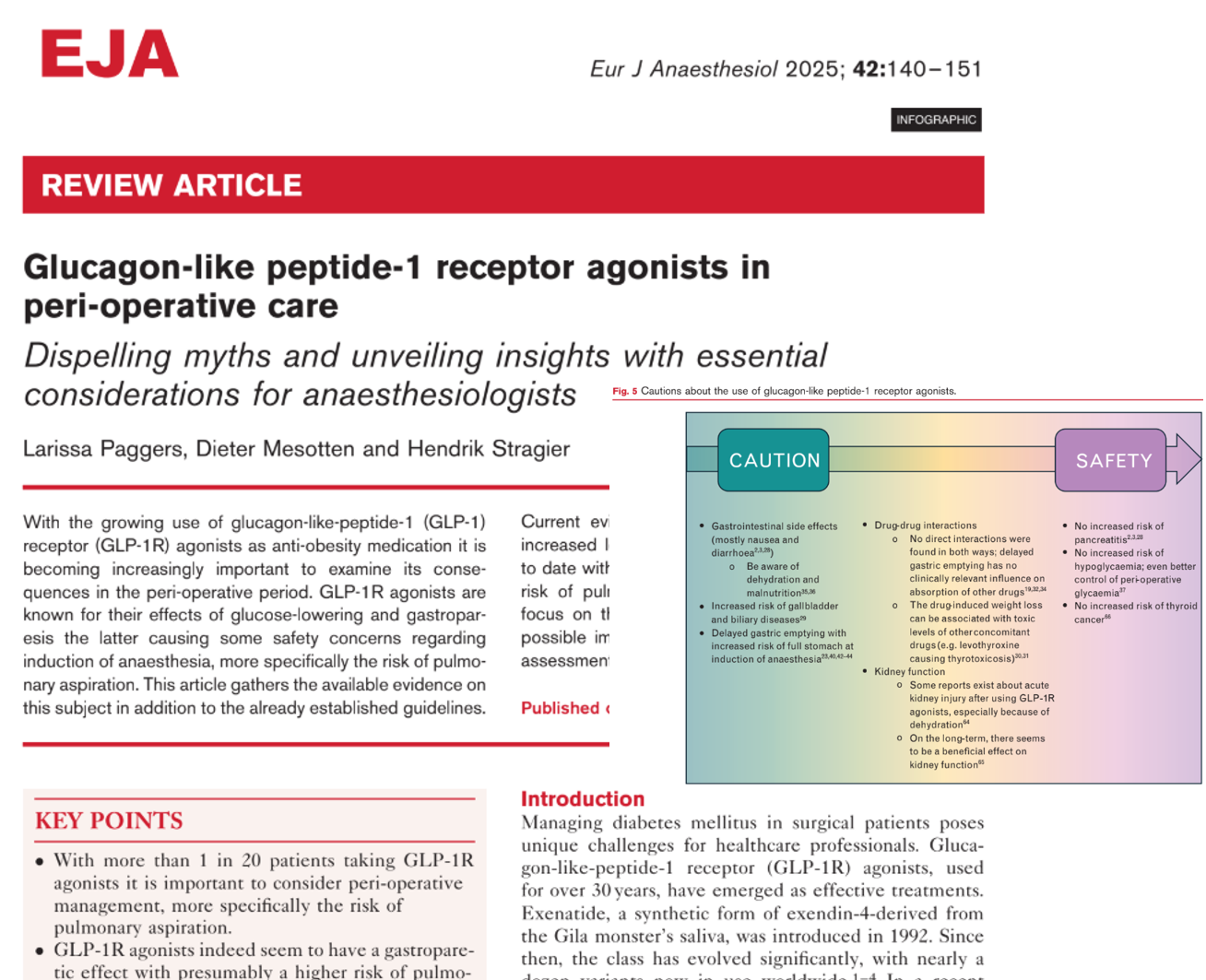
GLP-1
Short summary
-
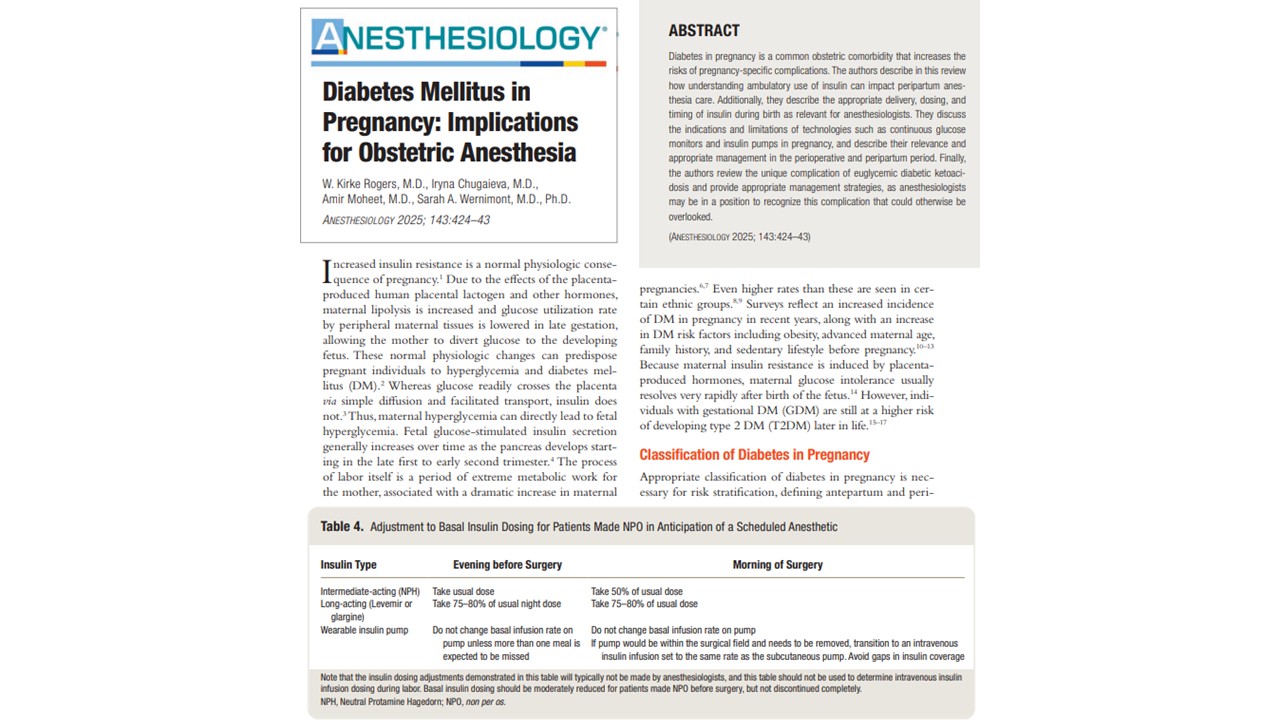
Diabetes in Pregnancy
Diabetes mellitus (DM) in pregnancy, whether preexisting (Type 1 or Type 2) or gestational (GDM), is one of the most common comorbidities...
-
Test News Today
Hey this is test news.
-
Popliteal plexus block + femoral triangle block after TKA: Modest opioid savings with preserved strength
Popliteal plexus + femoral triangle block cut opioids after TKA without weakness. See how this combo performed in RCT data.
-
CT imaging reveals high ESP catheter migration in rib fracture analgesia
CT imaging reveals frequent ESP catheter migration—learn how this affects continuous rib fracture analgesia.
-
Enhanced recovery after ambulatory surgery
The landscape of surgery is rapidly shifting toward ambulatory (same-day) procedures, with over 16 million cases annually in the U.S. and...
-
Opioid-Free Anesthesia and Analgesia in Clinical Practice
In recent years, the concept of Opioid-Free Anesthesia (OFA) has garnered significant attention, particularly in light of the North Ameri...
-
Stellate Ganglion Block in Perioperative Practice
The stellate ganglion block (SGB), historically used in chronic pain syndromes, has emerged as a promising intervention in perioperative...
-
ESPB vs ICNB in Uniportal VATS
Uniportal video-assisted thoracic surgery (VATS) is increasingly used for lung resections, including lobectomy and wedge excisions, as pa...
-
Perioperative management of the patient on maintenance hemodialysis
End-stage kidney disease (ESKD) is rising globally, largely driven by an aging population and a surge in diabetes, hypertension, and obes...
-
Updated fasting guidelines for clear fluids in pediatric anesthesia
Prolonged fasting before anesthesia can lead to dehydration, hypoglycemia, and discomfort in children, yet traditional guidelines require...
-
Regional anesthesia in ambulatory care: Walking spinals, smart blocks, and the reality of “novel” local anesthetics
See how modern regional anesthesia transforms workflow in high-volume day-case surgery.
-
Perioperative Management of Patients with Bleeding Disorders
Patients with bleeding disorders, whether diagnosed or suspected, face significantly higher perioperative risks. These risks stem not onl...
-
Cognitive Decline and Dementia in Chronic Widespread Pain
Chronic widespread pain (CWP), a hallmark of conditions like fibromyalgia, post-surgical pain, rheumatoid arthritis, and long COVID, affe...
-
Cannabis use and postoperative pain in older adults
As cannabis use among older adults continues to rise, driven by changing legislation and perceived medical benefits, anesthesiologists an...
-
Anterior subcostal QLB in laparoscopic colorectal surgery
Laparoscopic colorectal surgery (LCS) is the preferred technique for colorectal resections due to its minimally invasive nature and impro...
-
Regional Anesthesia and Novel Agents in Ambulatory Surgery
Ambulatory surgery is rapidly expanding due to healthcare reforms, cost pressures, and advancements in surgical and anesthetic techniques...
-
Perioperative Management of Non-Insulin Diabetes Medicines
Type 2 diabetes mellitus (T2DM) affects approximately 25% of patients undergoing surgery, and its prevalence is rising with the global ob...
-
Adamgammadex or Sugammadex?
The ability to safely and rapidly reverse deep neuromuscular blockade (NMB) is crucial to modern anesthesia, particularly in minimally in...
-
GLP-1 Receptor Agonists and Impaired Gastric Emptying
Glucagon-like peptide-1 receptor agonists (GLP-1RAs) have revolutionized the management of type 2 diabetes and obesity due to their power...
-
DOACs and Regional Anesthesia
Direct Oral Anticoagulants (DOACs) have revolutionised anticoagulation management due to their predictable pharmacokinetics and wide use...
-
2026 ASA Practice Guideline Update
Postoperative pain remains a critical concern for both adult and pediatric patients undergoing surgery. Approximately 75% of surgical pat...
-
Unanticipated Difficult Tracheal Intubation: DAS Guidelines
Unanticipated difficult airway scenarios continue to pose significant risks, despite decades of guideline development and technological a...
-
Airway Management in Pediatric Anesthesia
Airway management is a cornerstone of safe anesthesia practice, particularly in pediatric patients, who are at higher risk for perioperat...
-
Optimizing Hemodynamic Stability During Induction
Postinduction hypotension is a common and clinically significant challenge during the initiation of general anesthesia, particularly in h...
-
Anterior subcostal QL block in laparoscopic colorectal surgery: Less opioid, smoother recovery?
See how anterior subcostal QLB cut opioids, pain, and PONV after laparoscopic colorectal surgery.
-
Popliteal Plexus + Femoral Triangle Block After TKA
Total knee arthroplasty (TKA) is a common orthopedic procedure associated with significant postoperative pain, which can delay mobilizati...
-
Early Use of Norepinephrine in High-Risk Patients
Intraoperative hypotension, particularly following the induction of general anesthesia, is a common and often underestimated hemodynamic...
-
Continuous SPIP catheters after sternotomy: does extending the block offer any real benefit?
Get the key insights on continuous vs single-shot SPIP and how it shapes sternotomy pain management.
-
Perioperative Resuscitation and Life Support (PeRLS)
Perioperative cardiac arrest, though rare, carries alarmingly high mortality; up to 75% in some reports. Unlike out-of-hospital or ward a...
-
How far does a superficial parasternal block really spread?
Cadaveric data show SPIP spread is narrower than expected—see what this means for sternotomy analgesia.
-
Hypotension During General Anesthesia
Intraoperative hypotension (IOH) during major noncardiac surgery under general anesthesia (GA) is strongly linked to serious postoperativ...
-
Alert: Infections from non-sterile ultrasound gel!
On 13 May 2025, the U.S. Centers for Disease Control and Prevention (CDC) warned of Paraburkholderia fungorum infections traced to two lo...
-
OFA vs OSA for PONV in Bariatric Surgery
Postoperative nausea and vomiting (PONV) remains a pervasive and distressing complication after laparoscopic bariatric surgery (LBS), aff...
-
HFNO or LMV During GA Without Muscle Paralysis
Airway management is a critical component of anesthetic care. Traditional methods such as laryngeal mask ventilation (LMV) are widely use...
-
Dexmedetomidine and TIVA In Carotid Endarterectomy
Carotid endarterectomy (CEA) is a crucial surgical intervention aimed at preventing stroke in patients with carotid artery stenosis. Give...
-
Dexmedetomidine–remifentanil and infant neurodevelopment
Concerns about the potential neurotoxicity of anesthetic agents in early childhood have spurred significant debate in pediatric anesthesi...
-
Neuraxial vs General Anesthesia in Total Joint Arthroplasty
Total hip and knee arthroplasties (THA and TKA) are among the most common and successful surgeries performed globally, especially as the...
-
Anesthesia in Brugada Syndrome
Brugada syndrome (BrS) is a rare but potentially lethal cardiac channelopathy associated with ventricular arrhythmias and sudden cardiac...
-
Combining lidocaine and ropivacaine in infraclavicular brachial plexus blocks: reduced analgesic duration without faster onset
Mixing lidocaine with ropivacaine shortens the infraclavicular block duration without improving the sensory onset time in surgery.
-
Myocardial Injury After Noncardiac Surgery (MINS)
Myocardial Injury After Noncardiac Surgery (MINS) is a silent but deadly complication, affecting up to 20% of surgical patients—most with...
-
HPI-Guided Hemodynamic Management in Abdominal Surgery
Postoperative acute kidney injury (AKI) remains a frequent and severe complication after major abdominal surgery, contributing significan...
-
Perioperative Cardioprotection in Noncardiac Surgery
Myocardial injury after noncardiac surgery (MINS) occurs in up to 20% of patients and is associated with a marked increase in 1-year mort...
-
Managing RAS Inhibitors Around Major Noncardiac Surgery
Renin–angiotensin system (RAS) inhibitors, including ACE inhibitors and angiotensin receptor blockers (ARBs), are widely prescribed for c...
-
Perineural Dexamethasone for Pediatric Sciatic Blocks
Postoperative pain in pediatric foot and ankle surgeries can be moderate to severe, requiring effective management strategies to improve...
-
Intraoperative Methadone in Anesthesia Practice
Postoperative pain remains a major contributor to delayed recovery, prolonged hospital stays, and patient dissatisfaction. Despite widesp...
-
Sugammadex or Neostigmine in Bariatric Patients with OSA
The safe and timely recovery of surgical patients from general anesthesia is a fundamental goal of modern anesthetic practice, especially...
-
Neuromuscular Blockade in Patients with Chronic Kidney Disease
Chronic kidney disease (CKD) affects more than 10% of the global population and significantly alters pharmacokinetics, especially the cle...
-
Perioperative Hemostasis in the Pediatric Surgical Patient
Pediatric surgical patients present a unique challenge in perioperative bleeding management due to their distinct developmental hemostasi...
-
Pharmacologic Management of Acute Hyperkalemia
Acute hyperkalemia is a common and life-threatening emergency that demands rapid, evidence-based treatment. A 2025 systematic review by J...
-
Infection control in regional anesthesia and pain medicine
Infections related to regional anesthesia and interventional pain procedures can result in serious complications, including prolonged rec...
-
Pharyngeal Endotracheal Tube Ventilation (TTIP) in Difficult Airways
Management of the difficult airway is a cornerstone of safe anesthesia practice. While modern devices like video laryngoscopes and suprag...
-
Better together: Parasternal and rectus sheath blocks improve post-sternotomy pain and breathing
Post-sternotomy pain relief: See how adding a rectus sheath block boosts parasternal block performance.
-
Dexmedetomidine and Postoperative Delirium After Cardiac Surgery
Postoperative delirium (POD) is a common and serious complication after cardiac surgery, affecting 4–55% of patients. It is associated wi...
-
Oblique Subcostal TAP Block in Open Sublay Hernia Repair
Postoperative pain management after open abdominal hernia surgery remains a significant challenge, especially in procedures involving sub...
-
Pure bupivacaine outlasts bupivacaine-lidocaine mix for longer infraclavicular block analgesia
New RCT: 0.5% bupivacaine extends infraclavicular motor block duration by ~50% compared to lidocaine mixture.
-
Stellate ganglion block in perioperative practice: From sympathetic block to surgical outcomes
SGB beyond chronic pain: arrhythmias, inflammation, recovery—what the periop evidence really shows.
-
Airway Management in Thoracic Anesthesia
Airway management is a cornerstone of thoracic anesthesia, often determining the safety and success of surgical outcomes. Thoracic proced...
-
Arterial Hyperoxia in ECMO
Extracorporeal Membrane Oxygenation (ECMO) has become a cornerstone therapy for patients with severe cardiac or respiratory failure, espe...
-
Perineural dexamethasone in pediatric sciatic nerve blocks: prolonged analgesia without systemic effects
Adding dexamethasone to ropivacaine extends postoperative analgesia in children without systemic metabolic effects.
-
Midclavicle block shows precise anatomical targeting for midshaft clavicle fractures
Midclavicle block offers precise pain relief for clavicle fractures—see what sets it apart from traditional blocks!
-
PENG block or SIFICB? RCT compares dynamic pain relief in hip fracture patients
Hip fracture analgesia update: PENG and SIFICB go head-to-head. Who wins? Read more.
-
Continuous adductor canal block for outpatient TKA: Better recovery, less pain
See why continuous ACB could redefine pain management in fast-track TKA.
-
Anesthesia for ACHD Patients Undergoing Noncardiac Surgery
Advances in the medical and surgical care of congenital heart disease (CHD) have transformed childhood survival. Today, nearly 97% of chi...
-
Thoracic paravertebral block still outperforms ESPB for major breast surgery
Breast surgery update: ESPB falls short of PVB for pain control. See why PVB stays the gold standard.
-
Intrathecal morphine delivers superior postoperative relief over QL block in laparoscopic nephrectomy
Read why intrathecal morphine still leads in pain control after laparoscopic nephrectomy.
-
Perioperative Goal-Directed Hemodynamic Therapy
Effective perioperative hemodynamic management is a cornerstone of modern anesthesia and surgical care. It aims to maintain adequate tiss...
-
Platelet Transfusion in 2025
Platelet transfusion remains a common intervention in clinical practice for patients with thrombocytopenia or platelet dysfunction. Howev...
-
Preoperative Anemia & Blood Transfusion in Children
Preoperative anemia is the most common hematologic abnormality in children, affecting nearly one in four globally. While its impact has b...
-
Portopulmonary Hypertension
Portopulmonary hypertension (PoPH) is a specific form of pulmonary arterial hypertension (PAH) that occurs in the context of portal hyper...
-
Dexamethasone as an adjunct to supraclavicular block: Systemic and perineural routes
Can combining systemic and perineural dexamethasone improve block duration?
-
Dexmedetomidine for Renal Ischemia–Reperfusion Injury
Renal ischemia–reperfusion injury (IRI) is a leading cause of acute kidney injury (AKI), especially following major surgeries, organ tran...
-
Sugammadex in "Cannot Intubate, Cannot Ventilate" (CICV) Scenarios
The “Cannot Intubate, Cannot Ventilate” (CICV) scenario represents one of the most catastrophic crises in anesthesia,rare but potentially...
-
Comparing proximal and distal approaches for intercostobrachial nerve block in upper arm surgery
Learn how proximal and distal intercostobrachial nerve blocks compare in upper arm surgery anesthesia effectiveness.
-
Introducing the Supraclavicular Nerves Selective Block on the NYSORA Nerve Blocks App
Just added: Supraclavicular Nerves Selective Block!
-
Oblique subcostal TAP block in open sublay mesh hernia repair
Planning OSTAP for open sublay repair? Check this RCT’s opioid and pain signals first.
-
Dexmedetomidine and the Aging Brain
Postoperative delirium (POD), emergence delirium (ED), and postoperative cognitive dysfunction (POCD) are common neuropsychiatric complic...
-
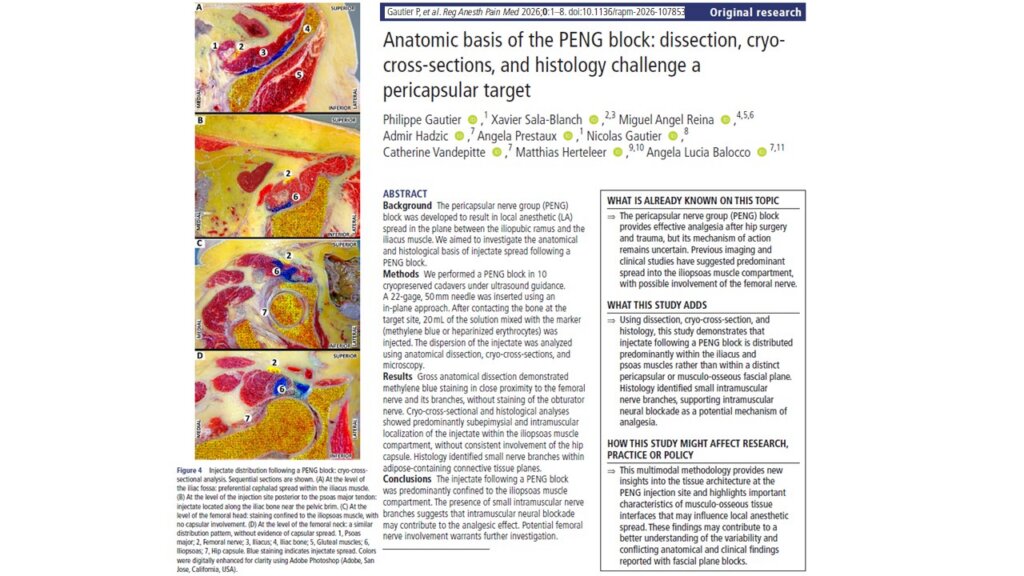
Pericapsular nerve group block: Five years of clinical evolution and insights
Explore how five years of research is reshaping hip analgesia with the evolving role of the PENG block.
-
Single-Shot Regional Anesthesia for Primary Total Hip Arthroplasty
Total hip arthroplasty (THA) is one of the most frequently performed and rapidly growing surgical procedures, projected to exceed one mil...
-
New meta-analysis confirms TAP block’s power to reduce pain and opioid use in abdominal surgery
New meta-analysis confirms TAP block’s role in reducing postoperative pain and opioid use across abdominal surgeries.
-
The effect of patient position on local anesthetic spread after erector spinae plane block
Find out how patient positioning influences anesthetic spread and pain relief after ESPB.
-
Perioperative S-Ketamine to Prevent POD in Elderly Arthroplasty Patients
Postoperative delirium (POD) remains one of the most serious perioperative complications in older adults. It is an acute neurocognitive d...
-
GA for Cesarean Delivery and Risk of Postpartum Depression
Cesarean deliveries account for over 1.2 million procedures annually in the U.S., making them one of the most common inpatient surgeries....
-
Neuraxial morphine and cesarean delivery
Neuraxial morphine remains the gold standard for post-cesarean analgesia, offering superior pain relief while minimizing systemic opioid...
-
Perioperative Blood Transfusions in Cancer Surgery
As the global burden of cancer rises, the number of patients undergoing surgery with curative intent is expected to surpass 20 million an...
-
Sugammadex and Anaphylaxis
The introduction and growing global use of sugammadex, a selective relaxant binding agent, have significantly advanced the reversal of am...
-
Optimal Induction Agents for Intubation in Critically Ill Patients
Tracheal intubation is a common yet high-risk procedure in critically ill patients due to their fragile physiology and reduced reserve. C...
-
2025 ASA Practice Advisory on Perioperative Care
The 2025 ASA Practice Advisory on Perioperative Care of Surgical Patients highlights key strategies to optimize outcomes in older adults...
-
Regional anesthesia and antithrombotic therapy: 2025 ASRA PM guidelines update
The 2025 ASRA PM guidelines update on regional anesthesia in anticoagulated patients introduces refined risk stratification, revised anti...
-
Safe for ERAS: Anterior quadratus lumborum block spares quadriceps strength
Is the anterior QL block safe for mobilization? Read the latest evidence on quadriceps strength.
-
Preoperative Anemia in Cardiac Surgery
patients present with anemia before surgery, and in large trials such as TRICS III, more than 25% had hemoglobin ≤12 g/dL. Iron deficienc...
-
Clonidine and dexmedetomidine in peripheral nerve blocks: preclinical review reveals dose-dependent effects, safety concerns in neuropathy
Preclinical review finds clonidine and dexmedetomidine safe in healthy nerves, but potentially harmful in neuropathy. Dose and nerve stat...
-
Intercostal nerve block outperforms ESPB for uniportal VATS
VATS analgesia update: ICNB tops ESPB for early pain, less morphine, and lower LA exposure—read the study results.
-
Anticoagulation and hemostasis in the ECMO patient
Extracorporeal membrane oxygenation (ECMO) has become an indispensable rescue therapy for severe respiratory and/or cardiac failure. Yet,...
-
Regional Anesthesia in Patients on Antithrombotic Drugs
This update summarizes essential guidance for anesthesiologists managing patients on anticoagulant and antiplatelet therapy undergoing re...
-
DOAC-Associated Bleeding
Direct oral anticoagulants (DOACs), including factor Xa (FXa) inhibitors like apixaban, rivaroxaban, edoxaban, and the thrombin inhibitor...
-
Gastric emptying in pregnancy
Delayed gastric emptying in pregnancy increases the risk of aspiration, especially during labor and cesarean delivery. This update explor...
-
Perioperative Blood Pressure and Postoperative Delirium
Postoperative delirium (POD) is one of the most common and impactful complications in surgical patients, particularly older adults. Affec...
-
Neuromuscular Blockade and Postoperative Delirium
Postoperative delirium (POD) is a frequent and serious complication in older surgical patients. It is linked to prolonged hospitalization...
-
Vasopressin in Traumatic Hemorrhagic Shock
Hemorrhagic shock from trauma remains a leading cause of preventable death in both civilian and military settings. When fluid resuscitati...
-
Intraoperative Hypotension Prediction
Intraoperative hypotension (IOH) is a common and significant complication associated with increased risks of myocardial injury, acute kid...
-
Hepatopulmonary Syndrome
Hepatopulmonary syndrome (HPS) is a potentially life-threatening complication of chronic liver disease, affecting up to 30% of patients w...
-
Balanced Crystalloids or Normal Saline in Critically Ill Patients
Intravenous fluid therapy is a cornerstone of resuscitation and maintenance in critically ill patients. Historically, 0.9% saline (normal...
-
Patient Blood Management in Joint Replacement
Anemia, perioperative blood loss, and transfusions are common and clinically significant issues in major orthopedic surgeries like total...
-
Intraoperative Homeostasis to Prevent Surgical Site Infections
Surgical site infections (SSIs) affect up to 12% of surgeries worldwide and are responsible for substantial morbidity, mortality, and hea...
-
IV Antihypertensives & Cerebral Blood Flow
Intravenous (IV) antihypertensive medications are essential tools for managing severe or acute hypertension in perioperative, emergency,...
-
Anesthetic Techniques and Cancer Outcomes
As cancer continues to rise as a leading cause of mortality worldwide, an increasing number of patients undergo surgical treatment as par...
-
Transfusion Practices in Traumatic Brain Injury (TBI)
Traumatic brain injury (TBI) remains a major source of disability and death globally, with its incidence steadily rising due to factors s...
-
Neuraxial Anesthesia for Hip Fracture Surgery
Recent high-profile trials have questioned the benefits of neuraxial anesthesia for hip fracture surgery, but experts warn against abando...
-
New update! Liposomal Bupivacaine in Supraclavicular Blocks: Does It Improve Pain Relief?
Learn how adding liposomal bupivacaine to supraclavicular brachial plexus blocks improves early postoperative pain relief without reducin...
-
NYSORA Launches the Anesthesia Updates app: Your Trusted 2025 Updates Hub
Master vein vs. artery differences for safer IV access!
-
Regional vs General Anesthesia in Cesarean Delivery
Cesarean delivery accounts for approximately one in three births in the United States; more than 1.2 million annually. Although regional...
-
Outpatient Continuous Adductor Canal Block (CACB) for TKA
Total knee arthroplasty (TKA) is one of the most commonly performed orthopedic procedures globally. However, severe postoperative pain re...
-
Comparing PENG + LFC and QLB blocks after total hip arthroplasty: Which provides better pain relief?
QLB vs PENG+LFC for THA: RCT shows QLB yields lower opioid use and improved movement-related pain up to 72h post-op.
-
Anterior quadratus lumborum block in total hip arthroplasty
Learn how anterior QLB compares to placebo for pain management and recovery in THA patients.
-
Comparing dermatomal spread in lateral quadratus lumborum vs. transversus abdominus plane blocks in colorectal surgery
New study compares QL and TAP blocks for pain management in surgery. Find out which one offers better relief!
-
PEFB vs PVB for Rib Fractures
Multiple rib fractures are a major contributor to morbidity and mortality in trauma patients, as inadequate analgesia leads to poor inspi...
-
PENG block vs. lateral QLB in reducing opioid consumption after THA
Total hip arthroplasty (THA) is one of the most common orthopedic procedures performed globally, particularly as populations age and rate...
-
Comparing proximal vs distal ICBN blocks in upper arm AV access surgery: which offers more consistent coverage?
RCT compares proximal vs distal ICBN block for upper arm AV access: improved axillary coverage with proximal approach.
-
Malignant hyperthermia susceptibility
Malignant hyperthermia (MH) is a rare but potentially fatal pharmacogenetic disorder triggered by exposure to volatile inhalational anest...
-
Regional anesthesia safely manages pain without increasing the risk of missing acute compartment syndrome in tibial fractures
See how regional anesthesia doesn't increase missed ACS after tibia fractures.
-
New: Costoclavicular Block
The costoclavicular block is a safer alternative to the supraclavicular block for anesthesia of the entire brachial plexus. As the experi...
-
Anatomical insights into the superficial cervical plexus in neonates
Superficial cervical plexus in neonates: new anatomical insights to guide safer blocks.